
Through Hole PCB Assembly remains an important electronics manufacturing process for components that require a different mounting approach from surface-mounted devices. In through hole technology, component leads pass through drilled holes in a printed circuit board and are soldered to form the required electrical and mechanical connection.
Although Surface Mount Technology is widely used for compact and high-density electronic assemblies, through hole technology continues to have an important role in products that use connectors, larger components or components that require additional mechanical support. Many modern PCBs also combine surface-mounted and through hole components as part of a mixed-technology assembly.
This guide explains what through hole PCB assembly is, how the process works, the soldering methods used, its applications and benefits, and the factors businesses should consider when evaluating through hole assembly services.
What Is Through Hole PCB Assembly?
Through Hole PCB Assembly is a manufacturing process in which the leads of electronic components are inserted through drilled holes in a printed circuit board. The leads extend through the board and are then soldered to create the required connections.
Through Hole Technology, also known as THT, provides a physical connection between the component and PCB through the board itself. This construction can be useful for components that are exposed to mechanical stress, vibration or repeated physical handling.
The process can involve manual component insertion, automated insertion where applicable, and different soldering methods depending on the PCB design, component configuration and production requirements.
How the Through Hole PCB Assembly Process Works
The exact manufacturing sequence depends on the PCB design and the components being assembled. A typical Through Hole PCB Assembly process includes component preparation, insertion, verification, soldering and inspection.
PCB and Component Preparation
The PCB and required components are prepared according to the assembly documentation and production requirements. Components are identified and organised so they can be placed in their designated positions on the board.
The compatibility between component leads, PCB holes and the required assembly process is important before insertion begins.
Component Insertion
Through hole components are inserted into the designated holes in the PCB. Depending on the component and production requirements, insertion can be performed manually or through an appropriate automated process.
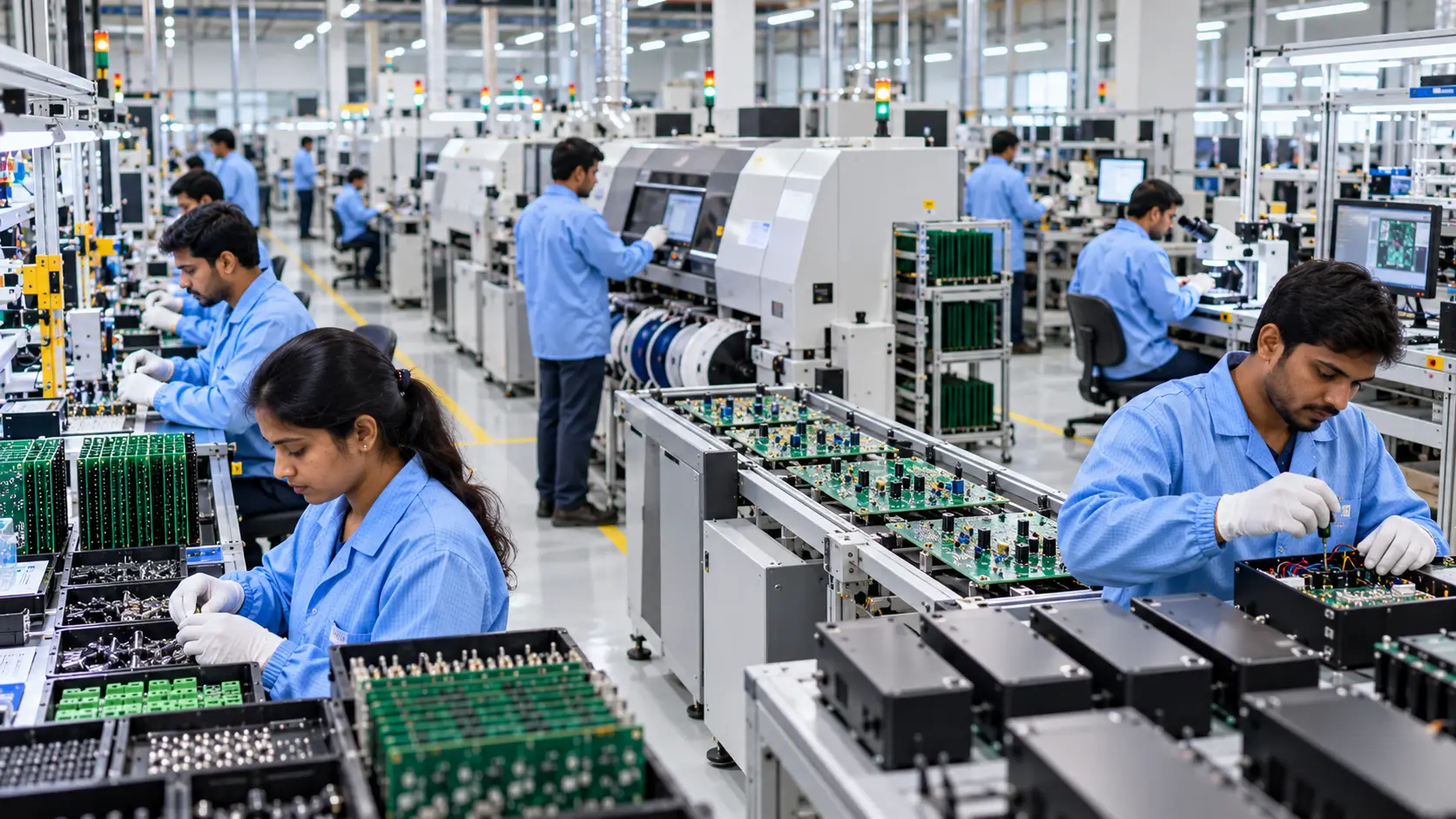
Manual insertion is particularly useful when components, board designs or manufacturing requirements require operator handling. OEL provides dedicated Manual Insertion capabilities as part of its PCB assembly processes.
Placement Verification
After insertion, components are checked against the required PCB configuration. Verification helps ensure that the correct components are positioned correctly and that their orientation is appropriate before soldering.
Soldering
Once the components have been inserted and verified, the required soldering process is carried out. Wave soldering, selective soldering or manual soldering may be appropriate depending on the board configuration and production requirements.
Inspection and Testing
After soldering, the assembled PCB is inspected for component placement and soldering conditions. Additional testing can be performed according to the requirements of the product and manufacturing process.
Through Hole Soldering Methods
Through hole assembly is not limited to one soldering method. The appropriate approach depends on the PCB design, component arrangement, production volume and the presence of other components on the board.
Wave Soldering
Wave soldering is commonly used for through hole assembly when multiple through hole joints can be processed in a controlled production sequence. The PCB passes through a controlled wave of molten solder, allowing solder to form connections at the required through hole joints.
Wave soldering can be particularly useful for production environments where the board configuration is suitable for this process and a large number of through hole joints need to be soldered consistently.
Selective Soldering
Selective soldering applies solder to specific through hole joints rather than exposing the entire underside of the PCB to a solder wave. This can be useful for mixed-technology boards where through hole components are located close to surface-mounted components that have already been assembled.
The choice between wave and selective soldering depends on the board layout, component arrangement and manufacturing requirements.
Manual Soldering
Manual soldering can be used for specific components or assemblies where machine-based soldering is not suitable. It can also be relevant for certain low-volume production requirements, rework or components that require individual handling.
Advantages of Through Hole PCB Assembly
Mechanical Support
One of the important advantages of through hole technology is the mechanical connection created when component leads pass through the PCB. This can provide useful physical support for components that experience mechanical stress or repeated handling.
Suitable for Larger Components
Some larger components and components with leaded packages are more naturally suited to through hole mounting. Connectors, terminals, transformers, relays and certain power-related components can be required through hole assembly depending on their design and application.
Support for Demanding Applications
Through hole components can be appropriate where a PCB assembly needs additional mechanical retention or where the component construction makes through hole mounting suitable.
This is one reason why hole technology continues to appear in industrial equipment, power electronics, automotive systems, telecommunications equipment and other applications with specific mechanical or component requirements.
Compatibility with Mixed Technology Assembly
Through hole technology does not have to replace SMT. A PCB can combine both technologies, using SMT for compact surface-mounted components and through hole assembly for selected components that require a different mounting approach.
Applications of Through Hole Technology
Through Hole Technology continues to be used across a range of electronic products and equipment. Its suitability depends on the component type, PCB design and functional requirements of the product.
- Connectors and terminals: Through hole mounting can provide additional mechanical support for components that experience repeated connection or handling.
- Power electronics: Certain power-related components can use through hole packages depending on their electrical and mechanical requirements.
- Industrial equipment: Industrial control and instrumentation products can include through hole components where mechanical stability is important.
- Automotive electronics: Certain automotive electronic assemblies can use through hole components depending on the application and component requirements.
- Telecommunications equipment: Through hole components can form part of boards used in telecommunications and related electronic systems.
- Transformers and relays: Larger components such as transformers and relays can require through hole mounting because of their physical construction and mechanical requirements.
The decision to use through hole technology should always be based on the requirements of the individual component and PCB rather than the application category alone.
Through Hole Assembly in Mixed Technology PCBs
A Printed Circuit Board (PCB) is the foundation of an electronic assembly, providing the physical structure and electrical connections required to mount and connect electronic components. PCBs can use different component mounting technologies depending on the product, board design and performance requirements.
Many modern electronic assemblies use a combination of Surface Mount Technology and Through Hole Technology on the same PCB. This approach allows manufacturers to select the appropriate mounting method for different components on the board.
For example, smaller surface-mounted components can be assembled using Surface Mount Technology (SMT), while connectors, larger components or other parts requiring through board mounting can be inserted using a through hole process.
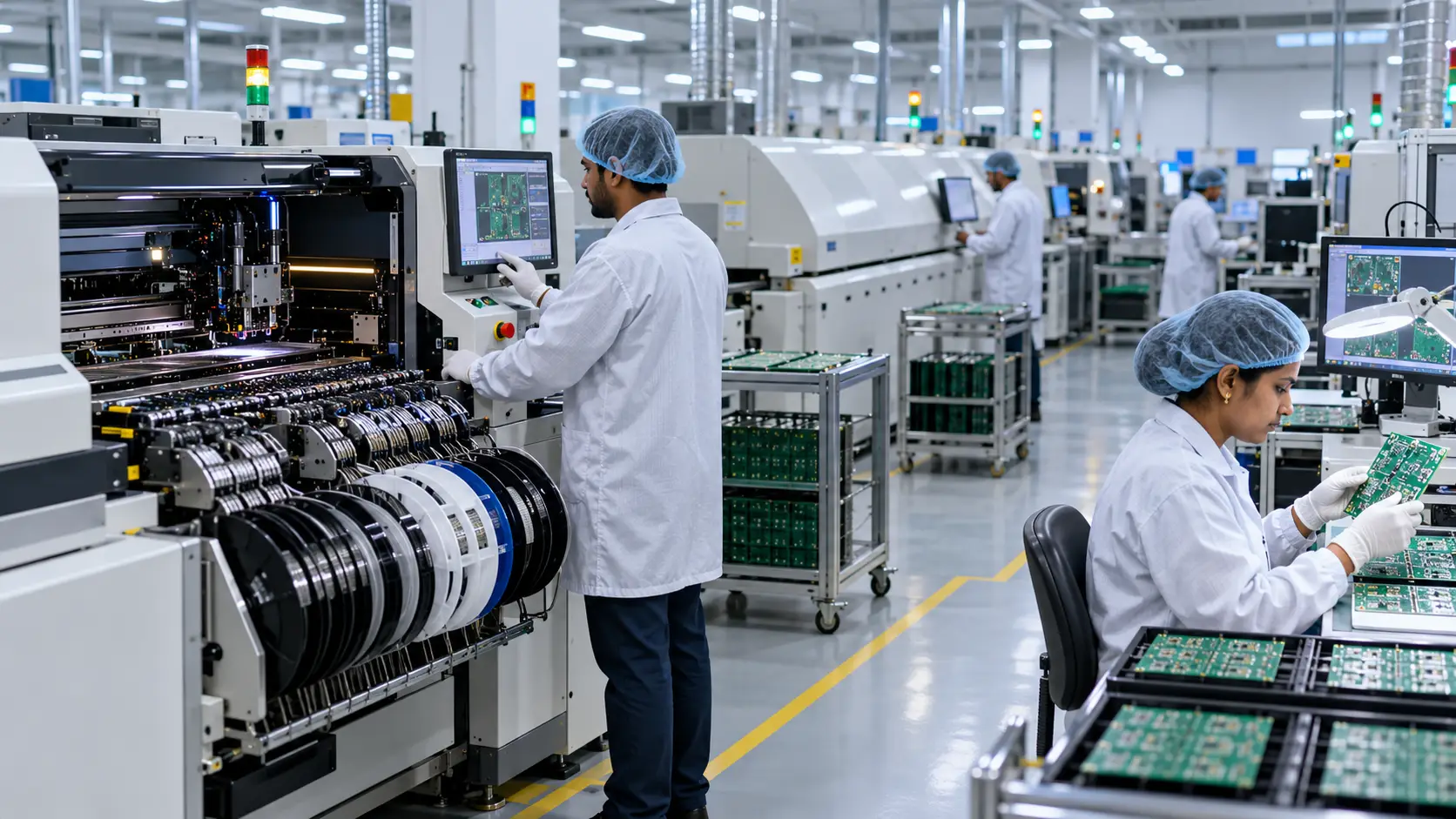
The manufacturing sequence for a mixed-technology PCB depends on the board design and process requirements. SMT assembly may be completed before selected through hole components are inserted and soldered through an appropriate process.
This approach allows the PCB to combine compact component placement with the mechanical characteristics offered by through hole mounting.
Through Hole Assembly and Manual Insertion
Manual insertion can form an important part of through hole PCB assembly when components or board configurations require controlled operator handling.
At OEL, Manual Insertion is part of the broader PCBA manufacturing process. Its dedicated MI infrastructure includes four manual insertion lines and supporting wave soldering capability, allowing through hole component insertion and soldering to be integrated into the manufacturing workflow.
Businesses can explore OEL’s Manual Insertion infrastructure to understand the dedicated production setup supporting this capability.
Quality Considerations in Through Hole PCB Assembly
Quality control is important throughout the through hole assembly process. Component placement, orientation, insertion and soldering all need to follow the requirements of the PCB design and manufacturing process.
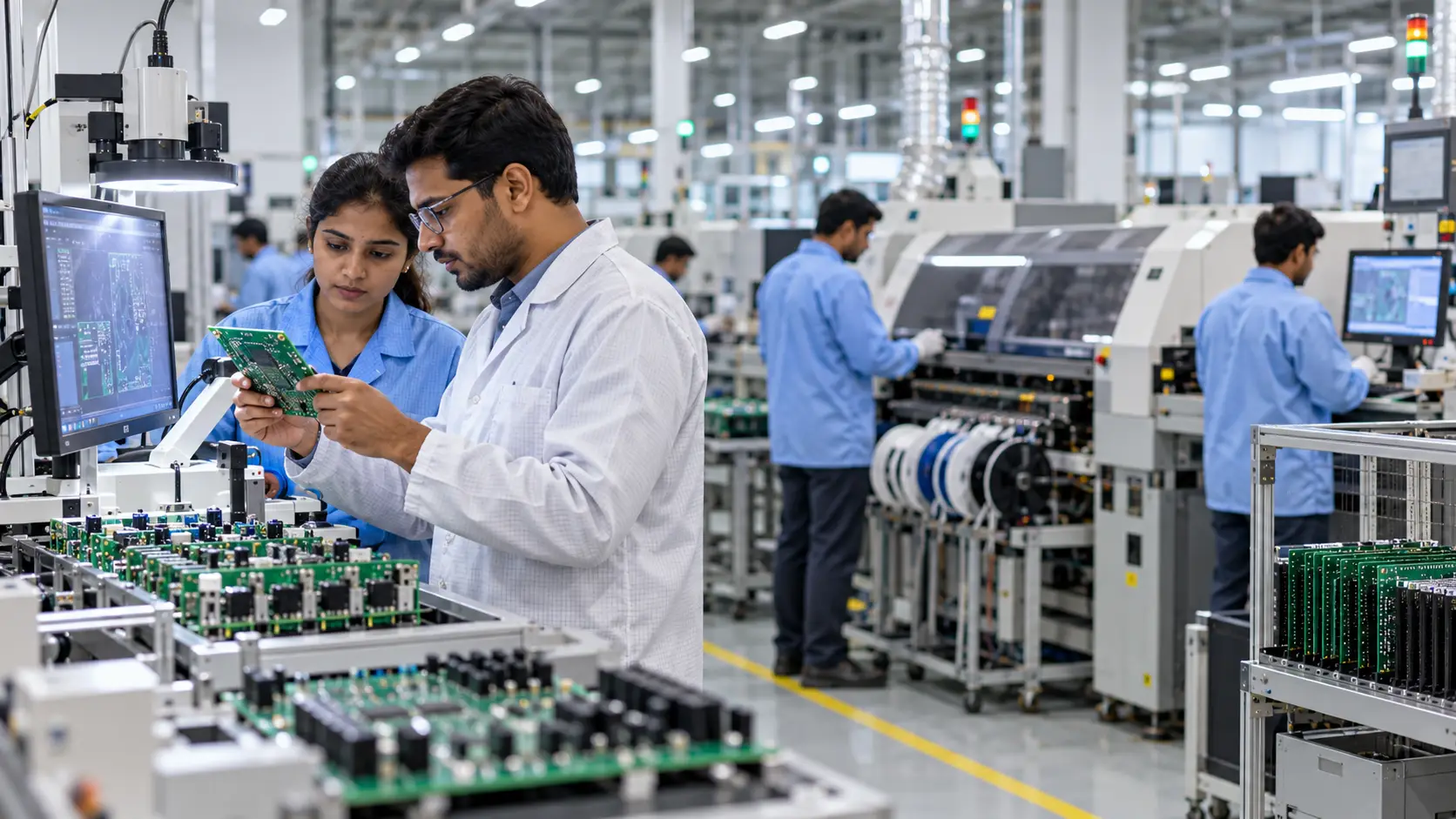
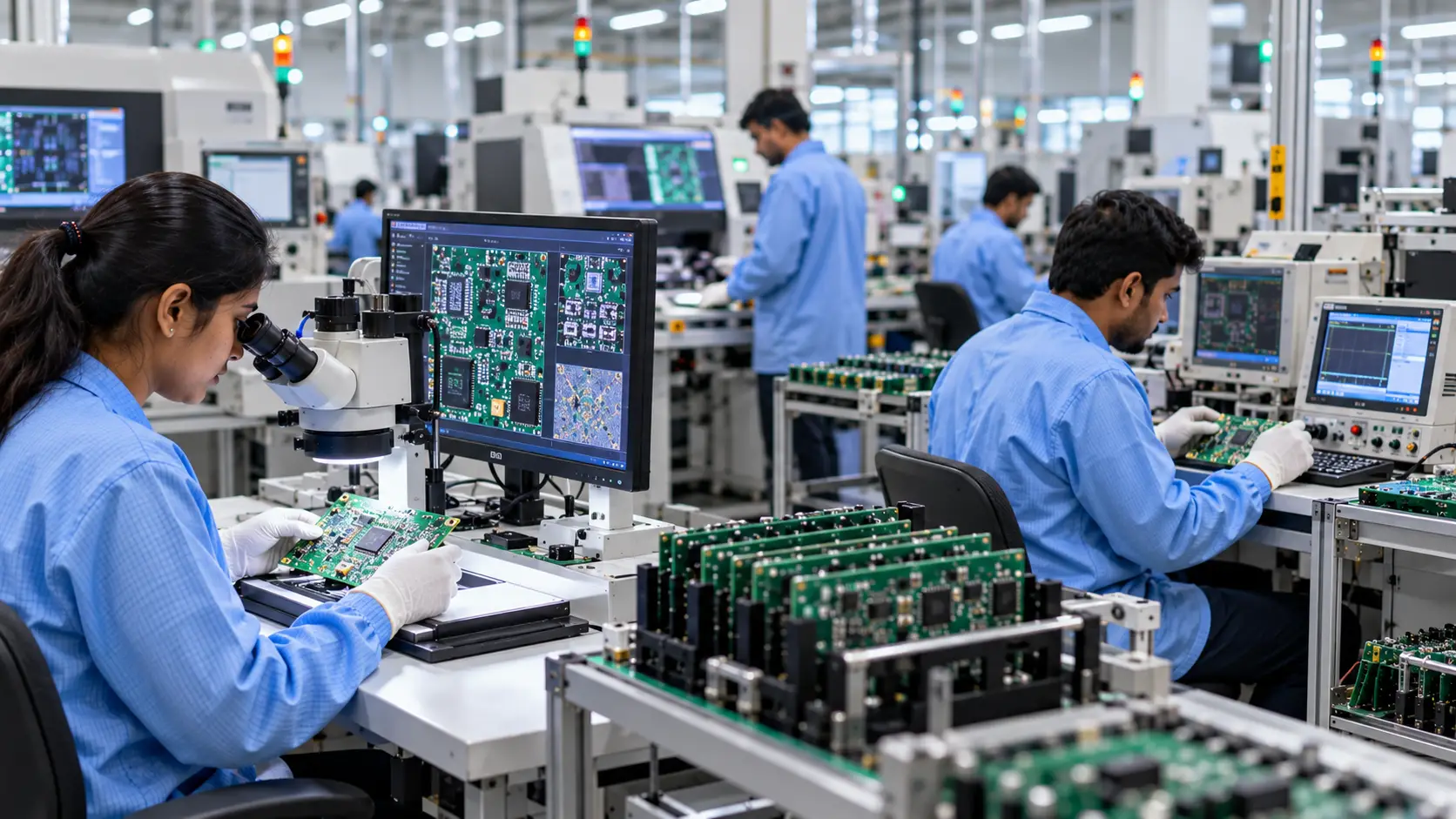
During inspection, manufacturers can evaluate component placement and soldering conditions to identify issues that may affect the assembled board. The specific inspection and testing methods depend on the PCB design, product requirements and manufacturing process.
Process control is particularly important when through hole assembly is combined with SMT because different assembly technologies need to work together within the same production workflow.
Limitations and Manufacturing Considerations
- Through hole assembly is not suitable for every PCB design. Drilled holes occupy board area and can influence component placement and routing.
- Through hole components can require more board space than equivalent surface-mounted components.
- The assembly method can affect production planning. Depending on the board configuration, component insertion and soldering may require additional manufacturing stages compared with an SMT-only assembly.
- The appropriate technology should be selected according to the component, PCB design, production requirements and intended application.
Through Hole PCB Assembly in Modern Electronics Manufacturing
Through hole technology continues to have a role in modern electronics manufacturing because some components and product requirements cannot be addressed by surface mounting alone.
The technology is particularly relevant when mechanical support, component construction or specific assembly requirements make through hole mounting appropriate. At the same time, many modern products use mixed-technology PCBs that combine SMT and through hole components.
This makes manufacturing flexibility important when selecting an electronics manufacturing partner. The manufacturer should be able to match the assembly process to the requirements of the PCB rather than applying the same process to every component.
How to Choose Through Hole Assembly Services
Businesses evaluating Through Hole Assembly Services should consider the manufacturer’s capabilities across the complete production process rather than looking only at component insertion.
- Component insertion capability: Check whether the manufacturer can handle the component types and insertion requirements of the PCB.
- Soldering capability: Understand whether wave, selective or manual soldering is appropriate for the board and available through the manufacturer’s production setup.
- Mixed-technology capability: Consider whether SMT and through hole processes can be managed within the same manufacturing environment when required.
- Quality processes: Evaluate how component placement, soldering and testing are controlled during production.
- Production requirements: Confirm that the manufacturing infrastructure can support the required production volume and process requirements.
- Engineering support: Consider the technical resources available to address PCB assembly and manufacturing requirements.
A suitable manufacturing partner should be selected according to the actual requirements of the PCB, component configuration and production process.
OEL’s Through Hole PCB Assembly Capability
OEL supports through hole component assembly through its Manual Insertion capability as part of its broader electronics manufacturing services.
OEL’s MI infrastructure includes four manual insertion lines, with each line capable of handling more than 25,000 component insertions per hour. The infrastructure supports a combined capability of more than 2 lakh component insertions per day and includes a dedicated workforce of engineers, skilled workers and component testers.
The setup is complemented by four wave soldering machines, each equipped with an ultrasonic fluxer unit. These capabilities allow manual component insertion and wave soldering to operate as integrated parts of the PCB assembly process.
OEL’s broader electronics manufacturing services also include SMT, FATP and NPI capabilities, allowing different stages of electronics production to be managed within a connected manufacturing environment.
Frequently Asked Questions
What is Through Hole PCB Assembly?
Through Hole PCB Assembly is a PCB manufacturing process in which component leads are inserted through drilled holes in the printed circuit board and soldered to form the required electrical and mechanical connections.
What is Through Hole Technology?
Through Hole Technology, or THT, is an electronics assembly technology in which component leads pass through holes in a PCB before being soldered. It is commonly used for components that require through board mounting.
What is the difference between through hole and SMT assembly?
Through hole assembly inserts component leads through holes in the PCB, while SMT places components directly onto the surface of the board. Many modern PCBs combine both technologies according to their component and design requirements.
What are the main through hole soldering methods?
The main soldering approaches used for through hole assembly include wave soldering, selective soldering and manual soldering. The appropriate method depends on the PCB configuration, component arrangement and production requirements.
Why is through hole assembly used for connectors?
Connectors can experience mechanical forces during installation, connection and repeated handling. Through hole mounting can provide additional mechanical support because the component leads pass through the PCB before soldering.
Can SMT and Through Hole Technology be used on the same PCB?
Yes. Mixed-technology PCB assembly can combine SMT for surface-mounted components with through hole assembly for selected components that require through board mounting or additional mechanical support.
Does OEL provide Through Hole Assembly Services?
OEL supports through hole component assembly through its Manual Insertion infrastructure, which includes four MI lines and four wave soldering machines. Each MI line has a stated capacity of more than 25,000 component insertions per hour.
Conclusion
Through Hole PCB Assembly remains a relevant manufacturing technology for electronic products that require specific component mounting, mechanical support or compatibility with through hole components. Its process includes component preparation, insertion, verification, soldering and inspection, with wave, selective and manual soldering available depending on the manufacturing requirements.
Modern PCB production often combines Through Hole Technology with SMT, allowing different components to use the assembly method that best fits their requirements. For businesses evaluating through hole assembly, the right manufacturing partner should therefore have suitable insertion, soldering, quality and broader PCB assembly capabilities.
OEL integrates Manual Insertion and wave soldering capabilities into its broader electronics manufacturing environment, supporting through hole assembly requirements alongside other electronics manufacturing processes.