
Quality in electronics manufacturing is not determined only by whether a finished product passes its final inspection. Consistent quality depends on controlling the characteristics and process conditions that have the greatest influence on the product’s performance.
This is where Critical-to-Quality (CTQ) controls become important. CTQs identify the product or process characteristics that need particular attention because variation in them can directly affect defined quality requirements.
In a modern electronics manufacturing environment, CTQ controls can be combined with real-time data collection so that quality teams can identify deviations and make decisions while production is taking place rather than waiting until the end of the process.
What Is Critical-to-Quality (CTQ)?
Critical-to-Quality characteristics are measurable product or process characteristics that have a significant effect on the required quality of a product.
A CTQ can relate to a product characteristic, a manufacturing process or a measurable condition that needs to remain within defined requirements.
For example, a product requirement may be expressed broadly as reliable operation. The manufacturing process then needs measurable characteristics and controls that support that requirement. The CTQ provides a way of translating an important quality requirement into something that can be measured, monitored and controlled.
CTQs can therefore connect customer or product requirements with manufacturing controls, inspection criteria and process monitoring.
Why CTQs Matter in Electronics Manufacturing
Electronic products can contain large numbers of components and pass through multiple manufacturing stages. Variation at one stage can influence the performance of subsequent processes or the finished product.
Not every characteristic has the same level of importance. CTQ thinking helps manufacturing teams focus attention on the characteristics that have the greatest impact on defined product quality requirements.
This can help manufacturers:
- Prioritise important quality characteristics
- Define measurable acceptance requirements
- Monitor critical process conditions
- Identify deviations earlier
- Support root-cause investigation
- Reduce the risk of quality escapes
- Improve manufacturing consistency
CTQ Characteristics vs. Routine Quality Checks
CTQ controls should not be confused with every inspection performed on a production line.
Routine quality checks may cover a broad range of product and process requirements. CTQs focus attention on characteristics that are particularly important to product quality, function, reliability, compliance or other defined requirements.
This distinction allows manufacturers to allocate appropriate monitoring and control resources to the characteristics that matter most.
In practice, a CTQ can become part of an inspection plan, control plan, process check, test requirement or real-time monitoring system depending on the manufacturing process.
How CTQs Are Identified
CTQs should be based on actual product and process requirements rather than simply selecting measurements because they are easy to collect.
The process can begin with understanding:
- Customer requirements
- Product specifications
- Functional requirements
- Safety or compliance requirements
- Reliability considerations
- Known product or process risks
- Manufacturing process characteristics
These requirements can then be translated into measurable characteristics with defined targets, limits or acceptance criteria where applicable.
The result is a more direct connection between what the product is expected to achieve and what the manufacturing process needs to control.
Examples of CTQs in Electronics Manufacturing
The exact CTQs depend on the product, design and manufacturing process. There is no universal CTQ list that applies to every electronics programme.
Depending on the product, CTQs may relate to areas such as:
- Component placement
- Soldering characteristics
- Electrical performance
- Connector or interface characteristics
- Mechanical dimensions
- Assembly alignment
- Functional performance
- Critical process parameters
For example, if a particular electrical characteristic directly affects the intended function of an electronic assembly, that characteristic may become a CTQ requiring defined measurement and control.
The important principle is that the characteristic should be connected to a meaningful product or process requirement.
CTQ Controls Across the Production Process
CTQs can be monitored at different points in the manufacturing process rather than being checked only after final assembly.
A simplified production flow might look like:
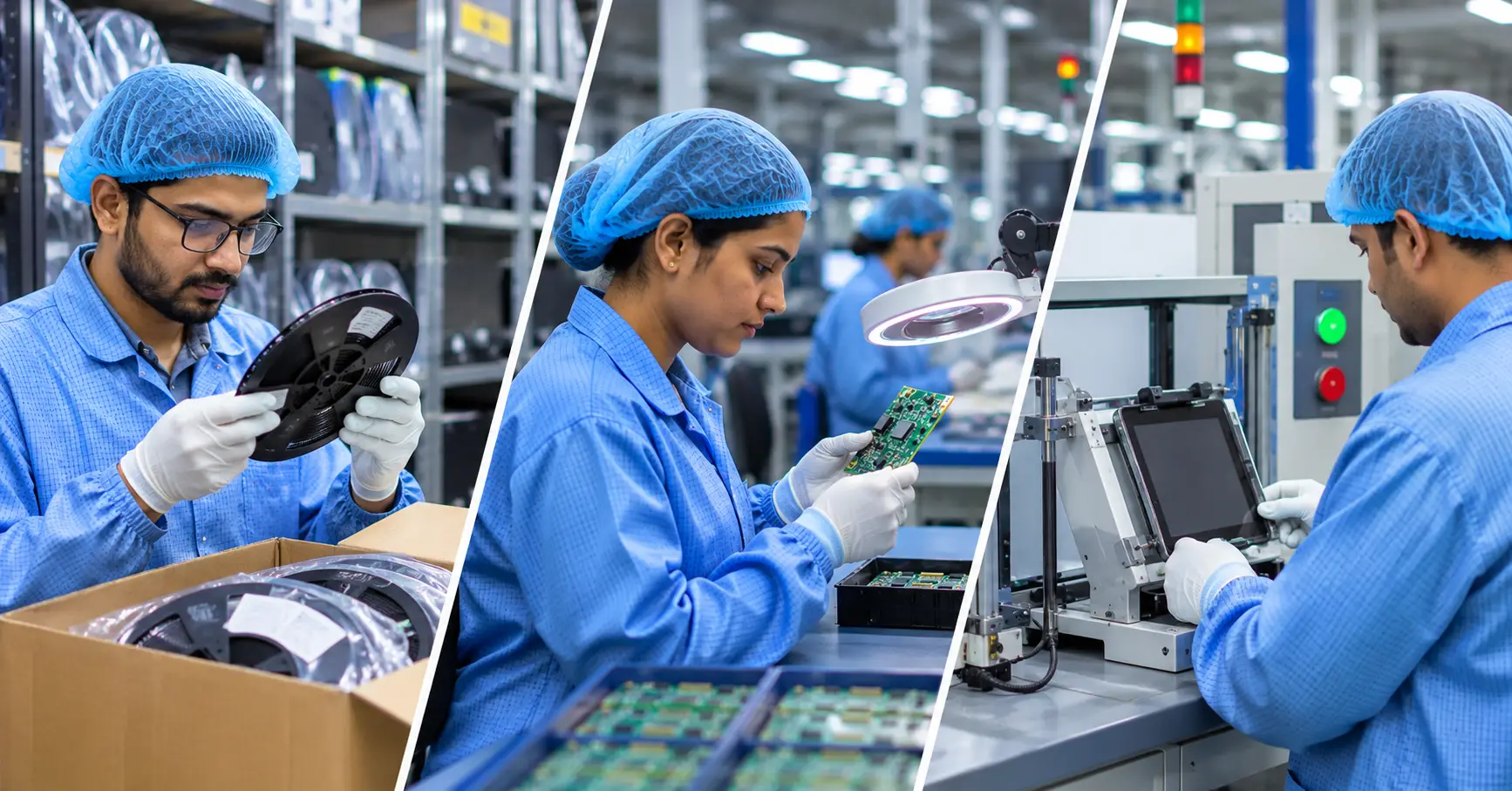
Incoming Material → PCB Assembly → Inspection → Sub-Assembly → Final Assembly → Testing → Finished Product
Relevant CTQs can be identified at the stages where they can be measured or controlled effectively.
This approach allows quality teams to detect problems closer to the point where they occur.
Why Real-Time CTQ Data Matters
Traditional quality checks can sometimes identify a problem only after a batch, process stage or production run has been completed.
Real-time CTQ monitoring changes the timing of the response.
When a critical characteristic is measured during production, quality and manufacturing teams can see whether the process remains within its defined requirements. If a deviation occurs, the team can investigate and take appropriate action without necessarily waiting until the completed product reaches final inspection.
This can help shorten the gap between detecting a quality problem and responding to it.
From Measurement to Decision-Making
Collecting data is useful only when the data can support a manufacturing decision.
A practical CTQ monitoring process can involve:
- Define: Identify the characteristic that matters and establish the applicable requirement.
- Measure: Capture the relevant production or quality data.
- Compare: Determine whether the measurement remains within the defined requirement.
- Identify: Investigate significant deviations or trends.
- Act: Take the appropriate containment, correction or process action.
- Verify: Confirm that the process has returned to the required condition.
The exact workflow depends on the product, process and quality system.
CTQ and Process Control
A CTQ can describe an important product characteristic, but the manufacturing process often contains the variables that influence that characteristic.
For this reason, CTQ management can be connected with process controls.
For example, if a finished-product characteristic depends on a specific assembly operation, monitoring the relevant process condition may provide an earlier indication of potential quality variation.
This creates a useful relationship:
Product Requirement → CTQ → Process Characteristic → Measurement → Control → Quality Result
The objective is to control the factors that influence important quality outcomes rather than relying entirely on end-of-line detection.
CTQ and Root-Cause Analysis
When a CTQ moves outside its defined requirement, the measurement can provide an important starting point for investigation.
Quality teams can examine the relevant production stage, materials, equipment, process conditions and previous measurements to determine what changed.
Historical CTQ data can also help identify recurring patterns. If the same characteristic repeatedly moves toward an unacceptable range, the trend may indicate an underlying process issue that needs attention before a larger number of products are affected.
This makes CTQ information useful not only for detection but also for continuous improvement.
CTQ and Manufacturing Consistency
Manufacturing consistency means producing products that repeatedly meet their defined requirements.
CTQ controls contribute to this objective by identifying the characteristics that require closer attention and establishing a measurable basis for monitoring them.
When CTQ information is available during production, teams can move from simply asking “Did the product pass?” to also asking “Is the process continuing to produce the required result?”
That distinction is important in high-volume electronics manufacturing, where small variations can accumulate across large production quantities.
CTQ in SMT and PCB Assembly
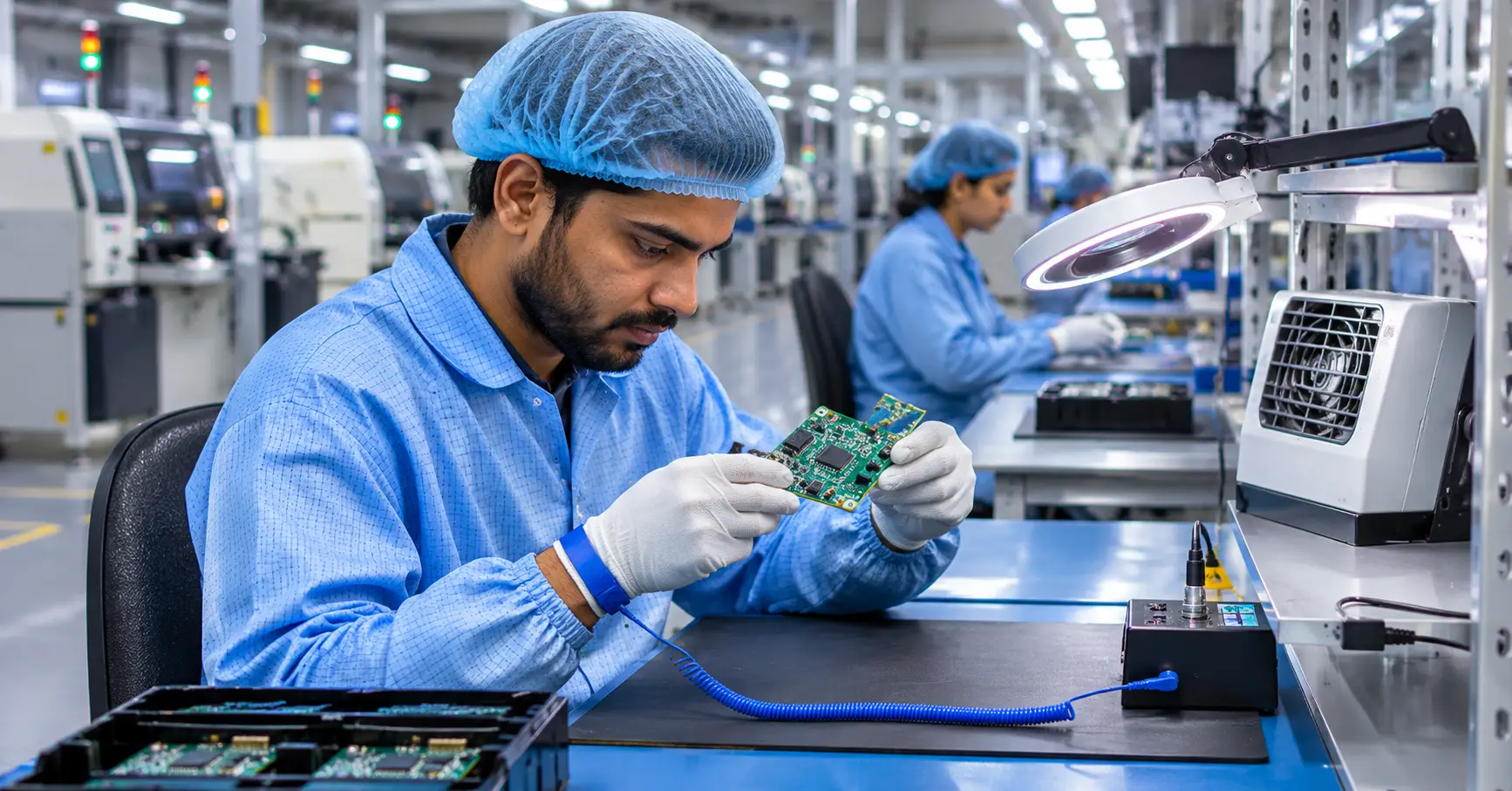
Surface Mount Technology and PCB assembly involve multiple processes where controlled parameters and inspection results contribute to overall product quality.
Depending on the product and process, CTQs can be associated with important characteristics of component placement, soldering, assembly alignment or electrical performance.
The exact CTQs should be established according to the product design and manufacturing requirements rather than applying a generic checklist to every PCB.
OEL’s broader SMT infrastructure uses highly automated production lines, while its manufacturing environment connects production, inspection and quality processes across multiple stages.
Explore OEL’s SMT Manufacturing
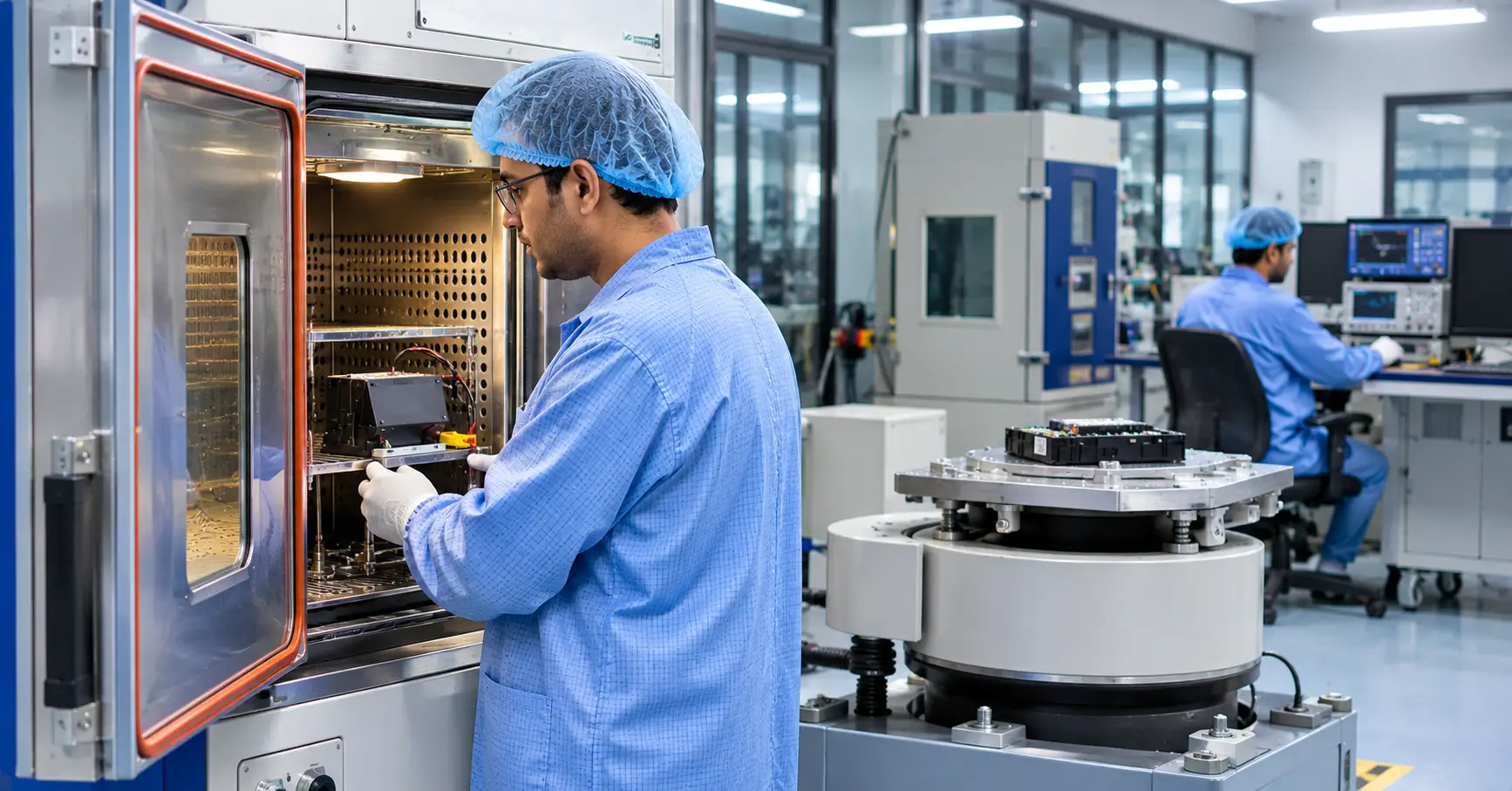
CTQ in Final Assembly, Testing and Packaging
CTQ controls can also be relevant after PCB assembly when electronic assemblies are integrated into finished products.
Final assembly may introduce product-specific characteristics that need to be monitored before the product is released.
Depending on the product, these can relate to assembly accuracy, functional performance, interfaces, mechanical characteristics or other defined requirements.
OEL’s FATP infrastructure includes a dedicated CTQ area alongside modern FATP production lines, MES and testing and packaging capabilities.
Explore OEL’s FATP Infrastructure
OEL’s Real-Time CTQ Quality Checks
OEL specifically identifies dedicated Critical-to-Quality (CTQ) stations on its production lines. According to OEL, these stations capture real-time data for immediate decision-making.
This is an important distinction from simply collecting quality information after production. The purpose of real-time CTQ data is to provide manufacturing teams with information while the production process is active, allowing appropriate decisions to be made based on the available data.
OEL also identifies a dedicated CTQ area within its FATP infrastructure, alongside a state-of-the-art MES, final assembly, testing and packaging capabilities.
Explore OEL’s Quality and Manufacturing Promise
CTQ and OEL’s Three-Stage Quality System
CTQ monitoring operates within a wider quality framework.
OEL describes its quality-check process as comprising three stages:
- IQC — Inward Quality Check
- PQC — Process Quality Check
- OQC — Outward Quality Check
These checks provide quality control across different stages of manufacturing, while CTQ stations provide focused monitoring of characteristics identified as critical to quality.
Together, these controls support OEL’s broader objective of maintaining product quality throughout production rather than relying exclusively on final inspection.
Explore OEL’s Quality Assurance
CTQ and MES: Connecting Quality Data With Production
Real-time CTQ information becomes more useful when it can be connected with broader manufacturing data.
OEL’s FATP infrastructure includes a Manufacturing Execution System (MES) alongside its dedicated CTQ area. This provides an infrastructure-level connection between production execution and quality-related information.
MES can provide the broader production context around manufacturing events, while CTQ monitoring focuses attention on defined critical characteristics.
The combination can help create a more connected approach to production visibility, quality monitoring and decision-making.
What Brands Should Ask an EMS Partner About CTQ
When evaluating an Electronics Manufacturing Services partner, brands should understand how critical quality characteristics are identified, measured and controlled.
Useful questions include:
- How are CTQ characteristics identified for a product?
- Which CTQs are monitored during production?
- How are CTQ requirements documented?
- How frequently are critical characteristics measured?
- Is CTQ data available in real time?
- How are deviations identified and escalated?
- How is CTQ information connected with the broader quality system?
- Can CTQ data support root-cause investigation and continuous improvement?
The answers should be evaluated against the specific product, process and customer requirements.
Why Real-Time Quality Control Matters
In high-volume electronics manufacturing, detecting a quality problem earlier can provide a significant operational advantage.
Real-time CTQ monitoring does not eliminate defects by itself. Its value comes from providing timely information about characteristics that have been identified as important to product quality.
When that information is connected to manufacturing processes and an established quality system, teams have a stronger basis for identifying deviations, investigating causes and taking appropriate action.
Conclusion
Critical-to-Quality controls in electronics manufacturing provide a structured way to focus measurement and process control on the characteristics that matter most to product quality.
By identifying measurable CTQs, monitoring them at appropriate stages and responding to meaningful deviations, manufacturers can move quality control closer to the production process itself.
Real-time data makes this approach more useful because manufacturing teams can receive information while production is taking place rather than relying entirely on end-of-line inspection.
At OEL, dedicated CTQ stations capture real-time production data for immediate decision-making, while the FATP infrastructure includes a dedicated CTQ area alongside MES, testing and final assembly capabilities.
For electronics brands, understanding how an EMS partner manages CTQs can therefore provide useful insight into the manufacturer’s approach to process control, quality visibility and production consistency.
Explore OEL’s Electronics Manufacturing Services
Frequently Asked Questions
What does CTQ mean in electronics manufacturing?
CTQ stands for Critical-to-Quality. It refers to a measurable product or process characteristic that has an important influence on defined quality requirements.
Why are CTQs important in electronics manufacturing?
CTQs help manufacturing teams focus measurement and control efforts on characteristics that have a significant effect on product quality, function, reliability or other defined requirements.
What is a CTQ station?
A CTQ station is a designated production or quality-control point where identified Critical-to-Quality characteristics can be measured or monitored according to the manufacturing process.
How does real-time CTQ monitoring help manufacturers?
Real-time monitoring provides quality information while production is taking place. This can help teams identify deviations earlier and make appropriate manufacturing or quality decisions.
How is CTQ different from general quality inspection?
General quality inspection can cover a broad range of requirements. CTQ controls focus specifically on characteristics identified as particularly important to defined product or process quality requirements.
Does OEL use CTQ stations?
Yes. OEL states that its production lines have dedicated CTQ stations that capture real-time data for immediate decision-making. Its FATP infrastructure also includes a dedicated CTQ area.