
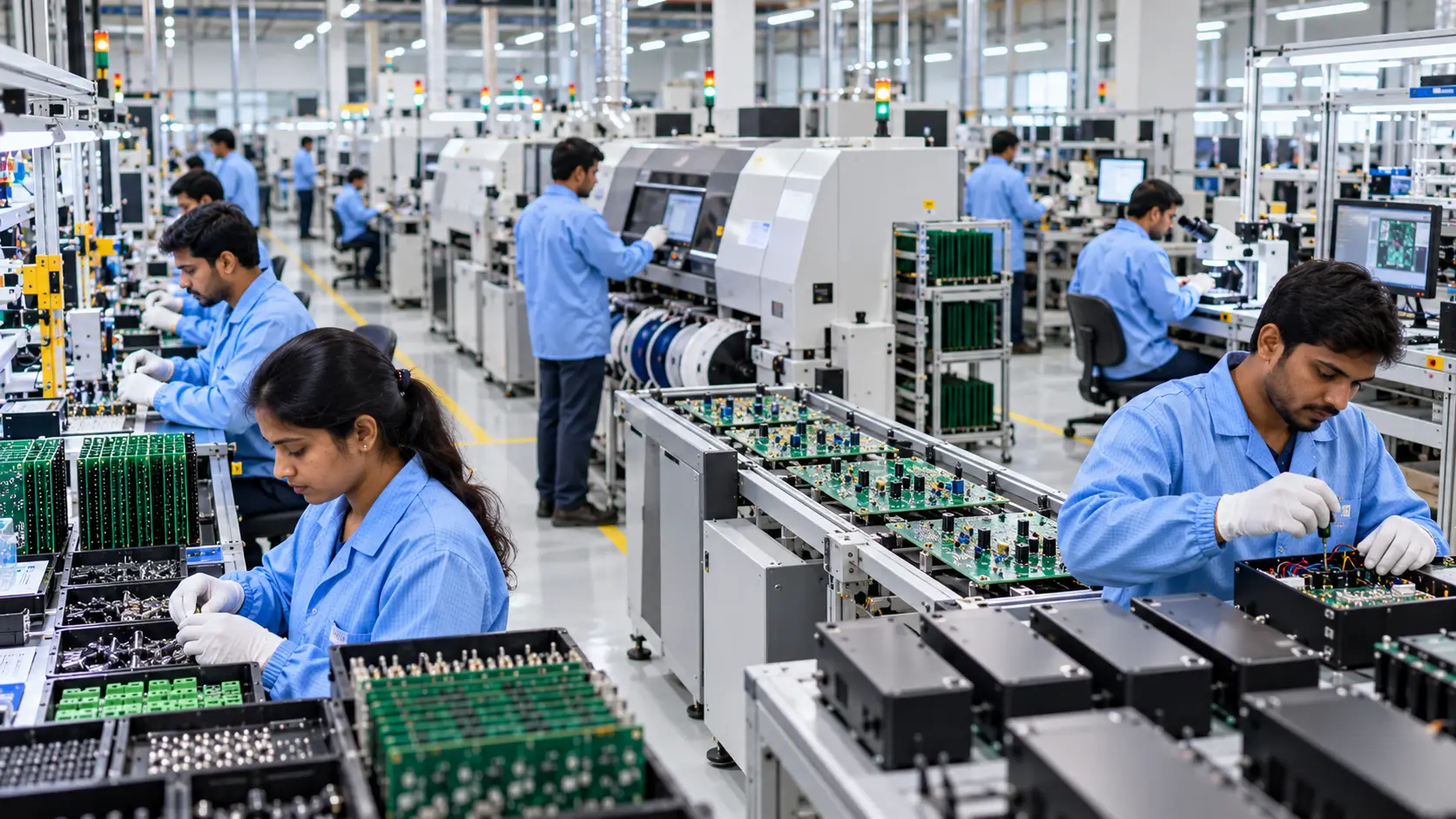
Surface Mount Technology (SMT) is one of the most widely used approaches to assembling electronic components onto printed circuit boards. It allows components to be placed directly onto the surface of a PCB using controlled and highly repeatable manufacturing processes.
SMT assembly is an important part of modern electronics manufacturing because electronic products increasingly require compact circuit boards, precise component placement and consistent production quality. The process combines solder paste application, component placement, inspection and reflow soldering to create reliable electronic assemblies.
This guide explains how SMT assembly works, the equipment involved, the role of SMT components, its advantages in PCB assembly and the quality controls that support consistent production.
What Is SMT Assembly?
SMT assembly is the process of mounting electronic components directly onto the surface of a printed circuit board. Unlike traditional through-hole assembly, SMT components are generally placed on the PCB surface rather than having their leads inserted through drilled holes.
Surface Mount Technology supports automated component placement and is suitable for a wide range of electronic assemblies. It is particularly useful where PCB designs require compact component arrangements, precise placement and repeatable production.
SMT assembly can also be combined with other PCB assembly methods when a product contains different types of components or has specific manufacturing requirements.
What Are SMT Components?
SMT components are electronic components designed to be mounted directly onto the surface of a PCB. They can include different types of integrated circuits, resistors, capacitors and other electronic components used in circuit assemblies.
The size, type and arrangement of SMT components can vary depending on the PCB design and the electronic product. Components must be positioned accurately according to the board design because placement affects subsequent soldering and the overall assembly process.
For assemblies containing small chips or fine-pitch components, accurate placement and appropriate inspection become particularly important.
How Does the SMT Process Work?
The SMT process consists of several connected manufacturing stages. The exact production setup can vary depending on the PCB design, components and manufacturing requirements, but the core process generally includes solder paste application, component placement, inspection and reflow soldering.
1. Solder Paste Application
The SMT process begins with applying solder paste to the required areas of the printed circuit board. The paste is deposited onto the PCB pads where the surface-mounted components will be placed.
Consistent solder paste application is important because the quality and positioning of the paste influence the solder joints formed during reflow.
2. Component Placement
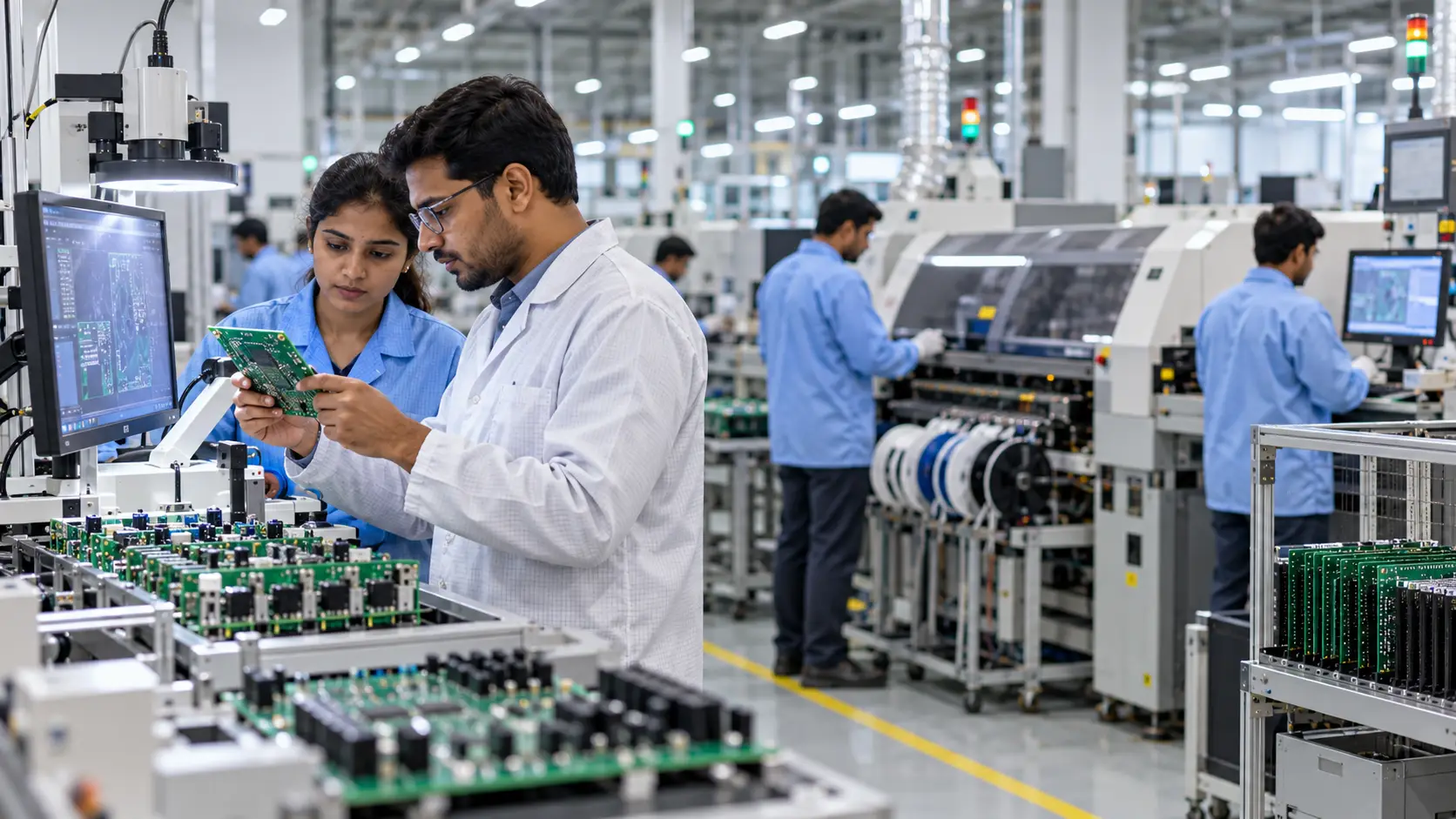
After solder paste application, SMT components are placed onto the PCB according to the board design. Automated placement equipment positions the components with the required accuracy and repeatability.
Precision becomes especially important when working with chips and fine-pitch components, where small placement variations can affect the subsequent soldering process.
3. Solder Paste Inspection
Inspection is an important stage of the SMT manufacturing process. Solder paste inspection systems can evaluate the application before the PCB proceeds to reflow.
OEL’s SMT manufacturing capability includes 3D solder paste inspection, with checks covering parameters such as dimensions, rotation and offset, as well as conditions such as upside-down placement.
4. Reflow Soldering
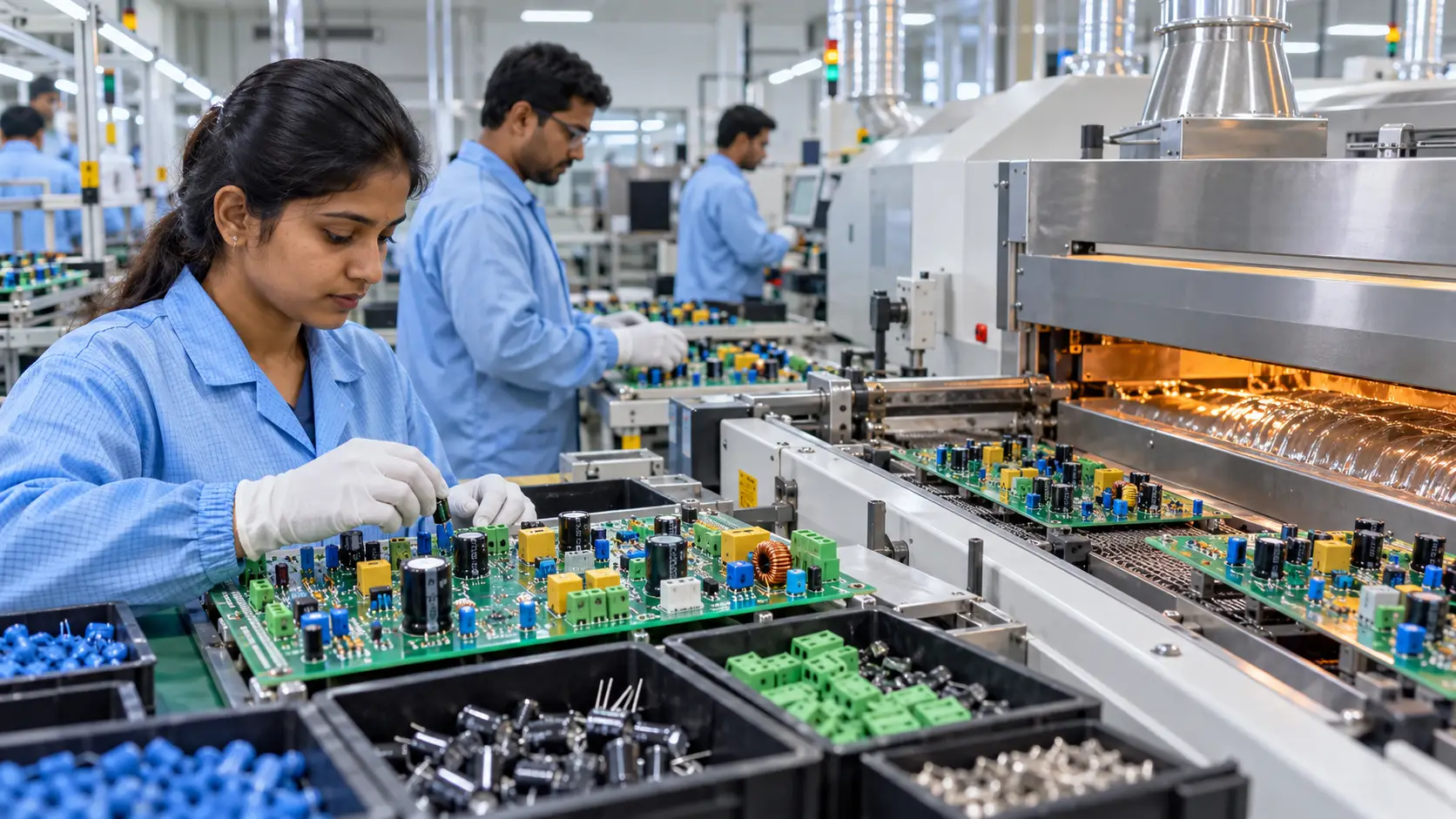
After the components have been placed and inspected, the PCB passes through a reflow process. Controlled heat melts the solder paste and forms the solder connections between the SMT components and the PCB.
Thermal control during reflow is important because consistent soldering requires the PCB to pass through the required thermal process in a controlled manner.
5. Component Recognition and Verification
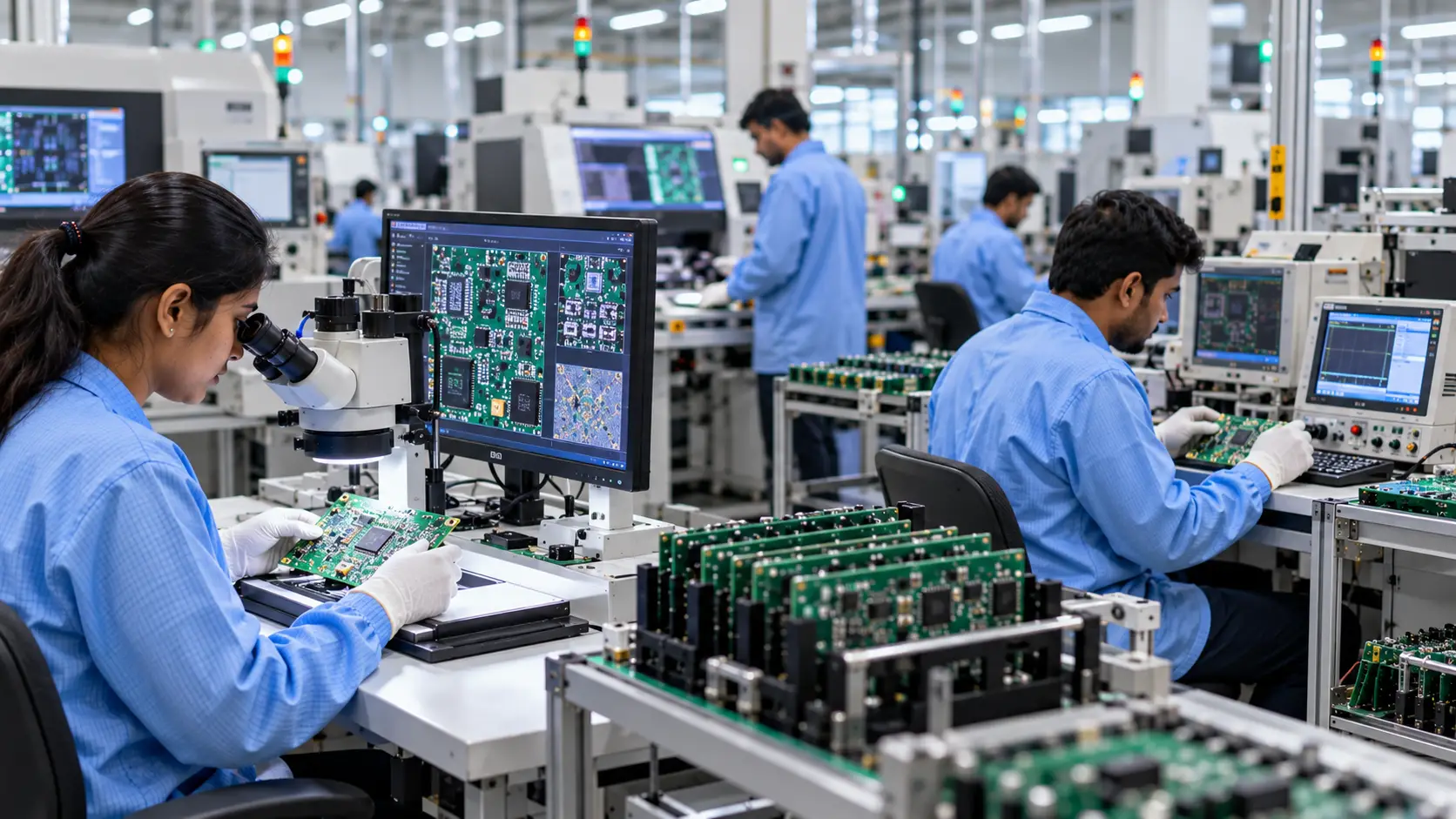
Vision processing can support component recognition during SMT assembly. It helps verify parts during the manufacturing process and contributes to consistent component placement.
SMT Assembly Equipment
SMT manufacturing depends on a combination of equipment designed to perform different stages of the assembly process. The equipment required can vary according to the PCB design, components and production requirements.
Component Placement Machines
Placement machines position SMT components onto the PCB according to the required board configuration. Accurate placement is particularly important for small components and fine-pitch assemblies.
3D Solder Paste Inspection Systems
3D solder paste inspection systems examine solder paste application before reflow. They can evaluate parameters such as paste dimensions, rotation and offset and help identify placement-related conditions that require attention.
Reflow Ovens
Reflow ovens provide the controlled thermal environment required to form solder connections after component placement. Thermal control is an important part of maintaining consistency during SMT assembly.
Vision Processing Systems
Vision processing supports part recognition and verification during production. It can help identify components and support the accuracy of the assembly process.
Advantages of SMT Assembly
Efficient Component Placement
Automated SMT equipment allows large numbers of components to be positioned according to the PCB design with consistent placement. This makes SMT suitable for electronics manufacturing environments where repeatability is important.
Support for Compact PCB Designs
SMT components can be placed directly onto the surface of the PCB, allowing components to be arranged closely according to the board design. This makes Surface Mount Technology suitable for many compact electronic assemblies.
Precision for Fine-Pitch Components
Modern electronic products can include small chips and fine-pitch components that require accurate placement. SMT equipment is designed to handle these requirements with controlled placement processes and supporting inspection.
Production Consistency
Automated placement, inspection and controlled reflow create a structured manufacturing process. When these stages are properly controlled, they can support consistent results across production.
Integration with Other Assembly Processes
SMT does not necessarily operate as an isolated process. Depending on the PCB design, surface-mounted components can be assembled using SMT while other components can be handled through an appropriate alternative assembly process.
SMT Quality Control
Quality control in SMT assembly involves monitoring the process at different stages rather than relying on a single final check. Solder paste application, component placement, inspection and reflow all contribute to the quality of the finished PCB assembly.
Inspection systems can help identify issues during production. In SMT manufacturing, solder paste inspection is particularly important because incorrect paste application can affect the solder joints formed during reflow.
Component placement also needs to be controlled because incorrect position, orientation or component recognition can affect subsequent assembly stages.
Reflow soldering requires controlled thermal processing to support consistent solder connections. Together, these process controls help create a more consistent SMT assembly workflow.
Automated Optical Inspection in PCB Assembly
Automated Optical Inspection (AOI) is another inspection technology used in electronics manufacturing to examine assembled PCBs using automated visual inspection. AOI can be used to identify visible assembly conditions that may require further investigation.
The specific inspection technologies used in an SMT production environment depend on the manufacturing setup, product requirements and quality process. Inspection should therefore be considered as part of the overall manufacturing and quality-control approach rather than as a standalone activity.
SMT Manufacturing for Different Electronics Products
SMT assembly is used across many types of electronic products because the technology can support different PCB designs and component configurations.
The manufacturing requirements can vary depending on the product. A PCB used in a mobile device may have different component and placement requirements from one used in IT hardware, telecommunications equipment or hearables and wearables.
For this reason, SMT production needs to be aligned with the PCB design, component requirements and overall product manufacturing process.
SMT Assembly as Part of Electronics Manufacturing
SMT assembly is one stage within the broader electronics manufacturing process. Depending on the product, manufacturing can include New Product Introduction, PCB assembly, component insertion, testing, final assembly and packaging.
SMT can work alongside other assembly methods when a PCB contains different component types. For example, surface-mounted components can be assembled using SMT while selected components requiring manual handling can be processed through Manual Insertion.
SMT also forms part of OEL’s broader electronics manufacturing services, connecting PCB assembly with other stages of electronics production.
OEL’s SMT Manufacturing Capabilities
OEL provides Surface Mount Technology capabilities for electronics manufacturing, combining automated component placement with inspection, vision processing and controlled reflow processes.
Its SMT capabilities support the assembly requirements of electronic products involving chips and fine-pitch components. The manufacturing process includes 3D solder paste inspection covering parameters such as dimensions, rotation and offset, along with vision processing for part recognition.
OEL also maintains dedicated SMT infrastructure supporting its surface mount manufacturing capabilities.
Frequently Asked Questions About SMT Assembly
What is SMT assembly?
SMT assembly is the process of mounting electronic components directly onto the surface of a printed circuit board. It typically involves solder paste application, component placement, inspection and reflow soldering.
What is Surface Mount Technology?
Surface Mount Technology, or SMT, is a PCB assembly technology in which electronic components are mounted directly onto the surface of a printed circuit board. It is widely used in modern electronics manufacturing.
What is the SMT process?
The SMT process generally includes solder paste application, component placement, solder paste inspection, reflow soldering and component verification. The exact process can vary according to the PCB and production requirements.
What are SMT components?
SMT components are electronic components designed to be mounted directly onto the surface of a printed circuit board. They can include integrated circuits, resistors, capacitors and other components used in electronic assemblies.
Why is inspection important in SMT assembly?
Inspection helps identify potential issues with solder paste application, component placement and other assembly conditions during production. It forms an important part of maintaining process control and assembly consistency.
What is reflow soldering in SMT?
Reflow soldering is the process of using controlled heat to form solder connections between surface-mounted components and the PCB after component placement.
Does SMT assembly support fine-pitch components?
Yes. SMT equipment can support the placement of fine-pitch components, where accurate positioning and appropriate inspection are important for the assembly process.
Conclusion
SMT assembly is a core PCB assembly technology used to manufacture a wide range of modern electronic products. Its process combines solder paste application, precision component placement, inspection and controlled reflow to create consistent electronic assemblies.
The choice of SMT equipment, inspection methods and manufacturing process should be aligned with the PCB design, component requirements and production objectives. For businesses evaluating SMT manufacturing, understanding the complete process is important when assessing the capabilities of an electronics manufacturing company.
OEL provides SMT manufacturing capabilities supported by automated placement, 3D solder paste inspection, vision processing and controlled reflow as part of its broader electronics manufacturing capabilities.