
Quality control in electronics manufacturing cannot depend on a single inspection at the end of production. Electronic products pass through multiple stages, beginning with incoming materials and continuing through assembly, testing and finished-product release.
This is why manufacturers use structured quality checkpoints throughout production. IQC, PQC and OQC provide three important stages of quality control: checking incoming materials, monitoring quality during production and verifying finished products before release.
When these checks work together, manufacturers can identify problems earlier, contain affected material and maintain greater consistency throughout the production process.
What Are IQC, PQC and OQC?
IQC stands for Incoming Quality Check, PQC stands for Process Quality Check, and OQC stands for Outward Quality Check.
Each stage operates at a different point in the manufacturing process:
- IQC: Checks incoming materials and components before they enter production.
- PQC: Checks and monitors quality during manufacturing and assembly processes.
- OQC: Checks finished products before they are released or dispatched.
The three stages create a quality-control flow that follows the product from incoming material to finished goods.
Why Three-Stage Quality Control Matters
A defect can enter an electronics manufacturing process through an incoming component, develop during assembly or remain undetected until the finished product is evaluated.
If quality is checked only at the end, the manufacturer may discover the problem after additional materials, labour and production time have already been invested.
A three-stage approach distributes quality control across the manufacturing process. It allows manufacturers to:
- Verify incoming material before production
- Monitor manufacturing processes while work is underway
- Identify process deviations earlier
- Prevent unsuitable material from moving further through production
- Verify finished products before release
- Use quality findings to support corrective action
The objective is not simply to find defects. It is to control the conditions that can create defects and prevent non-conforming products from progressing unnecessarily through the production process.
IQC: Incoming Quality Check
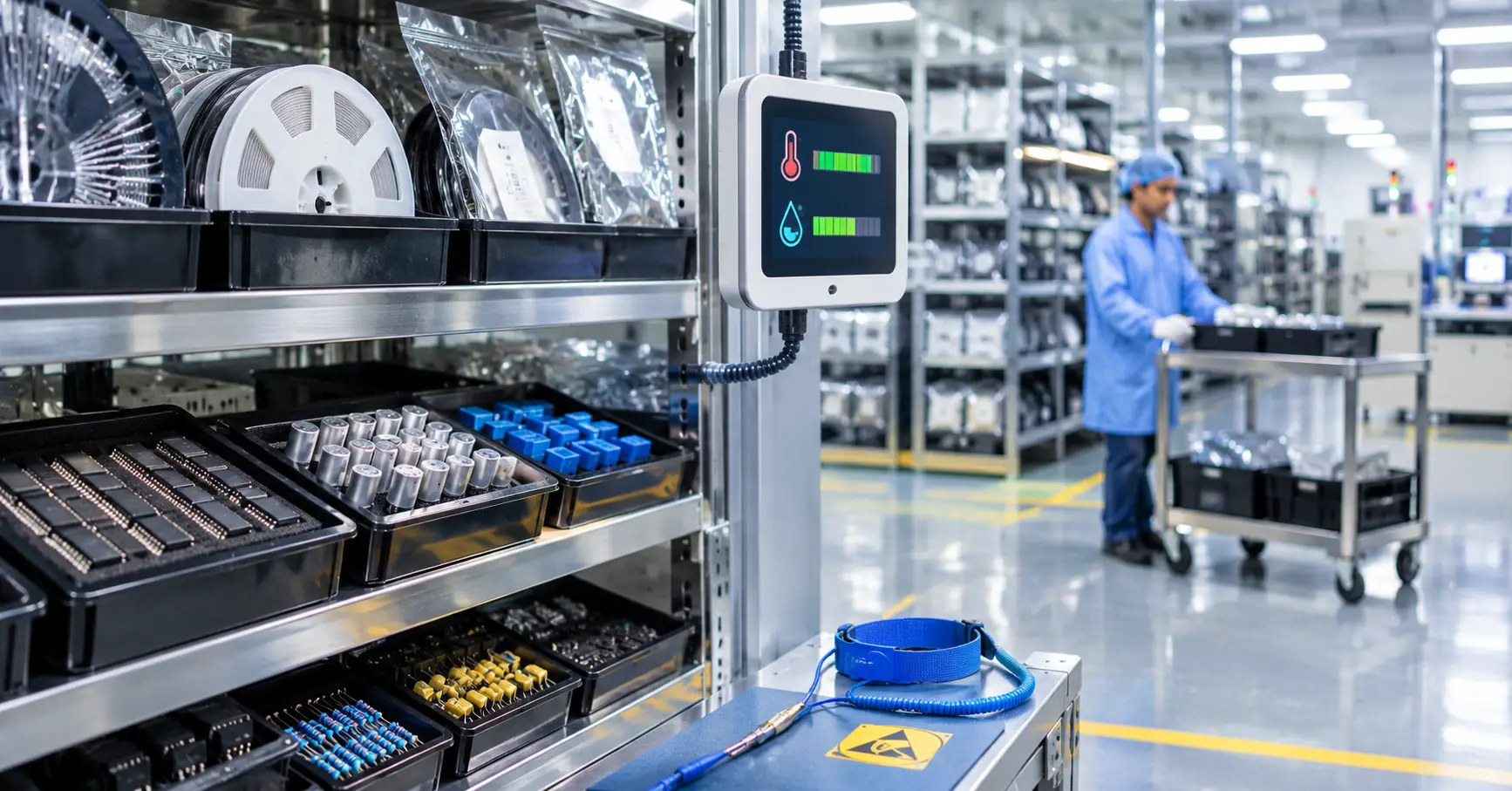
Incoming Quality Check (IQC) is the first quality-control stage. It takes place when materials and components enter the manufacturing environment, before they are released for production use.
Electronics manufacturers may receive large numbers of different materials, including electronic components, PCBs, mechanical parts and other production inputs. Each material needs to meet the applicable specifications before it is accepted for manufacturing.
Depending on the material and quality plan, incoming checks can cover areas such as:
- Part number and material identification
- Quantity verification
- Visual condition
- Dimensions or physical characteristics
- Applicable electrical characteristics
- Packaging condition
- Supplier documentation
- Lot or batch information
The exact inspection method and sampling approach should be determined by the applicable product, material and quality requirements.
How IQC Prevents Incoming Defects From Entering Production
The purpose of IQC is to establish whether incoming material meets the defined acceptance requirements before it becomes part of the manufacturing process.
If a material does not meet the applicable requirements, it can be identified and controlled before being issued to production.
This is particularly important in electronics manufacturing because one unsuitable component can potentially affect a larger production run if it is allowed to enter the process without appropriate controls.
IQC therefore acts as an early quality gate between suppliers and manufacturing.
PQC: Process Quality Check
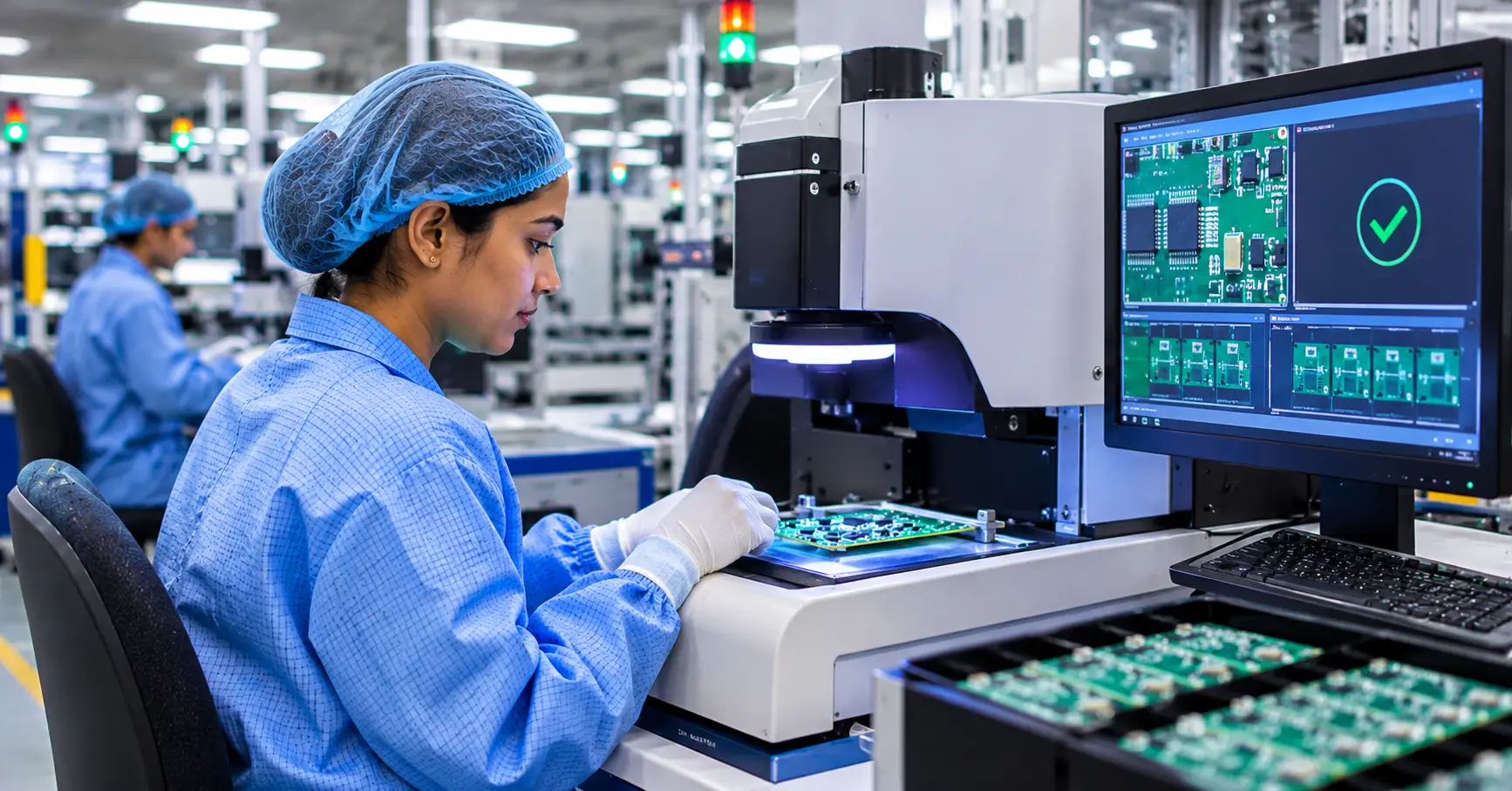
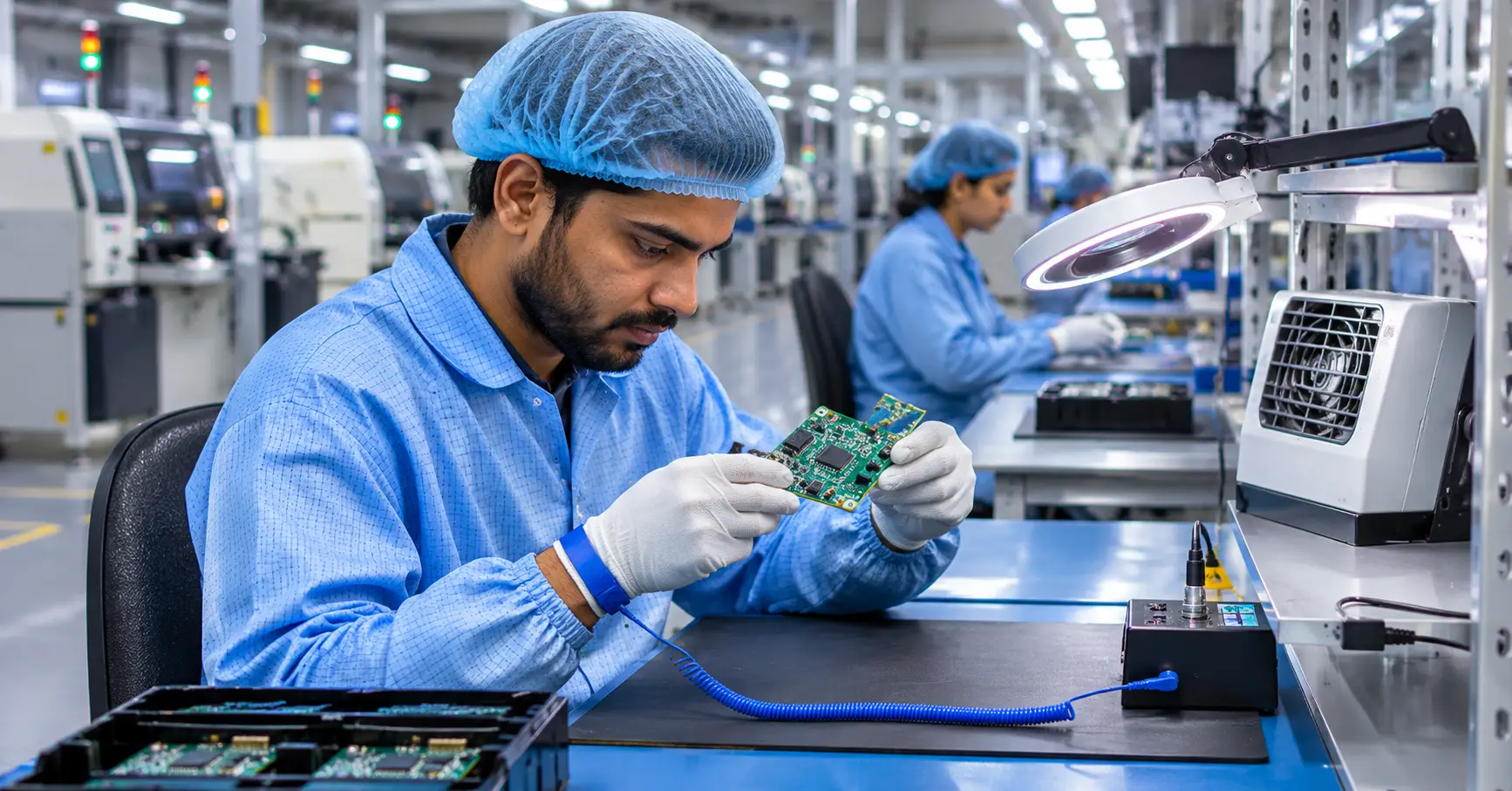
Process Quality Check (PQC) focuses on quality during manufacturing.
While IQC checks the condition of incoming materials, PQC looks at whether the manufacturing process is being carried out according to the defined requirements.
OEL states that it conducts PQC for both ASM and SMT lines as part of its quality process. It also describes the use of sample sizes and acceptable quality levels (AQLs) for applicable inspections.
Depending on the production process, PQC may involve checks related to:
- Assembly operations
- Process parameters
- Component placement
- Soldering and assembly quality
- First-piece or initial production checks
- In-process inspection
- Functional or electrical characteristics where applicable
- Process-specific acceptance criteria
The exact checkpoints depend on the product and manufacturing process.
Why Process Quality Checks Are Important
Process quality control provides an opportunity to identify a problem while production is still underway.
For example, if a manufacturing process begins producing results outside its defined requirements, identifying the issue during production can allow the affected process or material to be investigated before a larger quantity of products is completed.
This makes PQC different from simply checking finished goods. The focus is on controlling quality during the manufacturing process.
PQC in SMT and Electronics Assembly
SMT and electronics assembly involve multiple process steps, and quality can be influenced by material condition, machine settings, process parameters and assembly execution.
PQC can therefore be used at appropriate points within these processes to verify that production continues to meet defined requirements.
OEL specifically identifies PQC for its ASM and SMT lines, supporting systematic quality control during electronics production.
Explore OEL’s SMT Manufacturing
OQC: Outward Quality Check
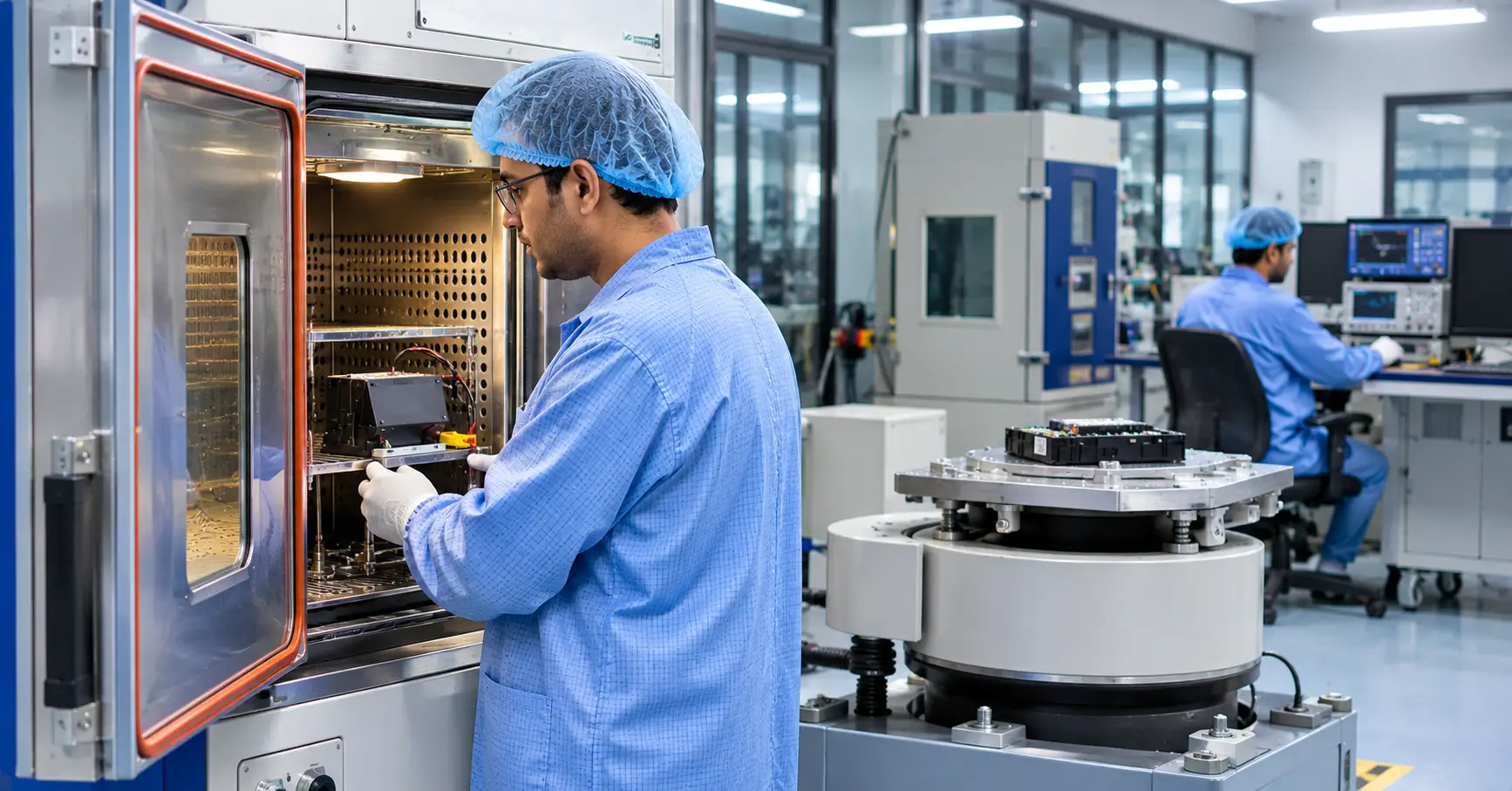
Outward Quality Check (OQC) is the final quality-control stage before finished products are released or dispatched.
At this stage, the focus moves from individual manufacturing processes to the finished product and its release requirements.
Depending on the product and agreed quality plan, OQC may consider:
- Finished-product appearance
- Product configuration
- Functional requirements
- Applicable electrical characteristics
- Labelling and identification
- Packaging
- Quantity
- Customer-specific requirements
The purpose is to confirm that finished goods meet the applicable release criteria before they leave the manufacturing facility.
How OQC Protects the Customer
OQC provides a final quality gate between manufacturing and shipment.
Even when incoming and process controls are in place, finished products still need to meet the defined requirements as a complete product.
OQC therefore provides an additional opportunity to identify non-conforming finished goods before they reach the customer.
OEL states that its outward quality process ensures finished goods meet customer expectations and that customer feedback is recorded so required actions can be taken to prevent recurrence of non-conformities.
How IQC, PQC and OQC Work Together
The three quality stages are most effective when treated as one connected system rather than three unrelated inspections.
The basic flow is:
Incoming Materials → IQC → Production → PQC → Finished Product → OQC → Release
Each stage has a different role:
| Stage | Primary Focus | When It Happens |
| IQC | Incoming materials and components | Before production |
| PQC | Manufacturing and process quality | During production |
| OQC | Finished-product quality and release | Before dispatch |
This structure helps move quality control closer to the point where a potential issue can be identified and contained.
What Happens When a Quality Check Finds a Problem?
A quality-control system needs more than a pass-or-fail decision. When a non-conformity is identified, the affected material or product needs to be controlled according to the applicable quality procedure.
Depending on the situation, the response can involve:
- Segregating affected material
- Holding the affected lot or production quantity
- Investigating the cause
- Reworking the product where permitted
- Rejecting unsuitable material
- Retesting after corrective action
- Recording the non-conformity
- Implementing corrective and preventive actions where required
The appropriate response depends on the nature of the non-conformity and the applicable quality system.
IQC, PQC and OQC vs. CTQ
IQC, PQC and OQC should also be distinguished from Critical-to-Quality (CTQ) controls.
IQC, PQC and OQC describe where and when quality control takes place. CTQ identifies which product or process characteristics are particularly important to quality.
For example, a CTQ characteristic may be monitored during PQC because it is important to the manufacturing process. Similarly, applicable CTQ requirements may contribute to final product verification during OQC.
OEL’s production lines include dedicated CTQ stations that capture real-time data for immediate decision-making, operating within its broader IQC, PQC and OQC quality framework.
Explore OEL’s Quality and Manufacturing Promise
How Data Strengthens Three-Stage Quality Control
Quality checks become more useful when their results are properly recorded and connected to the manufacturing process.
Production and quality teams can use inspection records to understand:
- Which incoming material was accepted
- Which production process was involved
- Which lot or production order was affected
- Where a non-conformity was identified
- What corrective action was taken
- Whether the issue recurred
This information can support traceability, root-cause analysis and continuous improvement.
OEL states that it continuously considers customer feedback, makes changes where required and takes non-conformity recurrence into account as part of its quality approach.
OEL’s Three-Stage Quality Check Process
OEL explicitly describes its quality-check process as a three-stage system comprising IQC, PQC and OQC.
According to OEL, stringent quality checks are performed at every production stage, with IQC covering incoming quality, PQC covering process quality and OQC covering outward quality.
OEL’s detailed quality-process information further states that IQC establishes product criteria and specifications for incoming materials, PQC is conducted for ASM and SMT lines, and OQC verifies that finished goods meet customer expectations.
This three-stage structure forms part of OEL’s broader quality-assurance system and complements its certifications, manufacturing infrastructure and real-time CTQ controls.
Explore OEL’s Quality Assurance
What Brands Should Ask an EMS Partner About IQC, PQC and OQC
When evaluating an Electronics Manufacturing Services partner, brands should understand how quality is controlled across the complete manufacturing flow.
Useful questions include:
- How are incoming components and materials inspected?
- What quality criteria are defined for suppliers and incoming materials?
- Which processes have dedicated PQC checkpoints?
- How are process deviations identified and contained?
- How are finished products verified before release?
- What records are maintained at each quality stage?
- How are non-conformities handled?
- How are recurring quality issues investigated?
- How does the quality system connect with CTQ and real-time production data?
The answers help determine whether quality control is embedded throughout manufacturing rather than concentrated only at the final inspection stage.
Why Three-Stage Quality Control Supports Consistent Manufacturing
Consistent manufacturing requires control at multiple points.
IQC helps prevent unsuitable incoming materials from entering production. PQC monitors quality while manufacturing is taking place. OQC provides a final verification before finished goods are released.
No individual stage replaces the others. Each addresses a different point in the manufacturing flow.
Together, they create a structured quality-control system that can help manufacturers identify problems earlier, contain non-conformities and maintain greater consistency across production.
Conclusion
IQC, PQC and OQC in electronics manufacturing represent three complementary stages of quality control.
IQC focuses on incoming materials, PQC controls quality during manufacturing and OQC verifies finished products before release. Their value comes from working together as one connected system rather than functioning as isolated inspections.
For electronics manufacturers, this approach can support earlier defect detection, better material control, stronger process visibility and more consistent finished-product quality.
OEL’s quality system follows this three-stage approach, with IQC, PQC and OQC integrated into its broader manufacturing and quality framework. OEL also combines these checks with dedicated CTQ stations and real-time quality data for production decision-making.
Explore OEL’s Electronics Manufacturing Services
Frequently Asked Questions
What do IQC, PQC and OQC stand for?
IQC stands for Incoming Quality Check, PQC stands for Process Quality Check and OQC stands for Outward Quality Check. They represent three quality-control stages covering incoming materials, production processes and finished products.
What is IQC in electronics manufacturing?
IQC is the quality check performed on incoming materials and components before they are released for use in production.
What is PQC in electronics manufacturing?
PQC is the process quality check performed during manufacturing to monitor whether production activities and outputs meet defined requirements.
What is OQC in electronics manufacturing?
OQC is the final quality check performed on finished goods before they are released or dispatched to the customer.
Why are IQC, PQC and OQC all necessary?
Each stage controls a different point in the manufacturing flow. IQC controls incoming materials, PQC monitors production and OQC verifies finished goods before release.
Does OEL use IQC, PQC and OQC?
Yes. OEL states that its quality-check process comprises IQC, PQC and OQC, with quality checks implemented across its production stages.